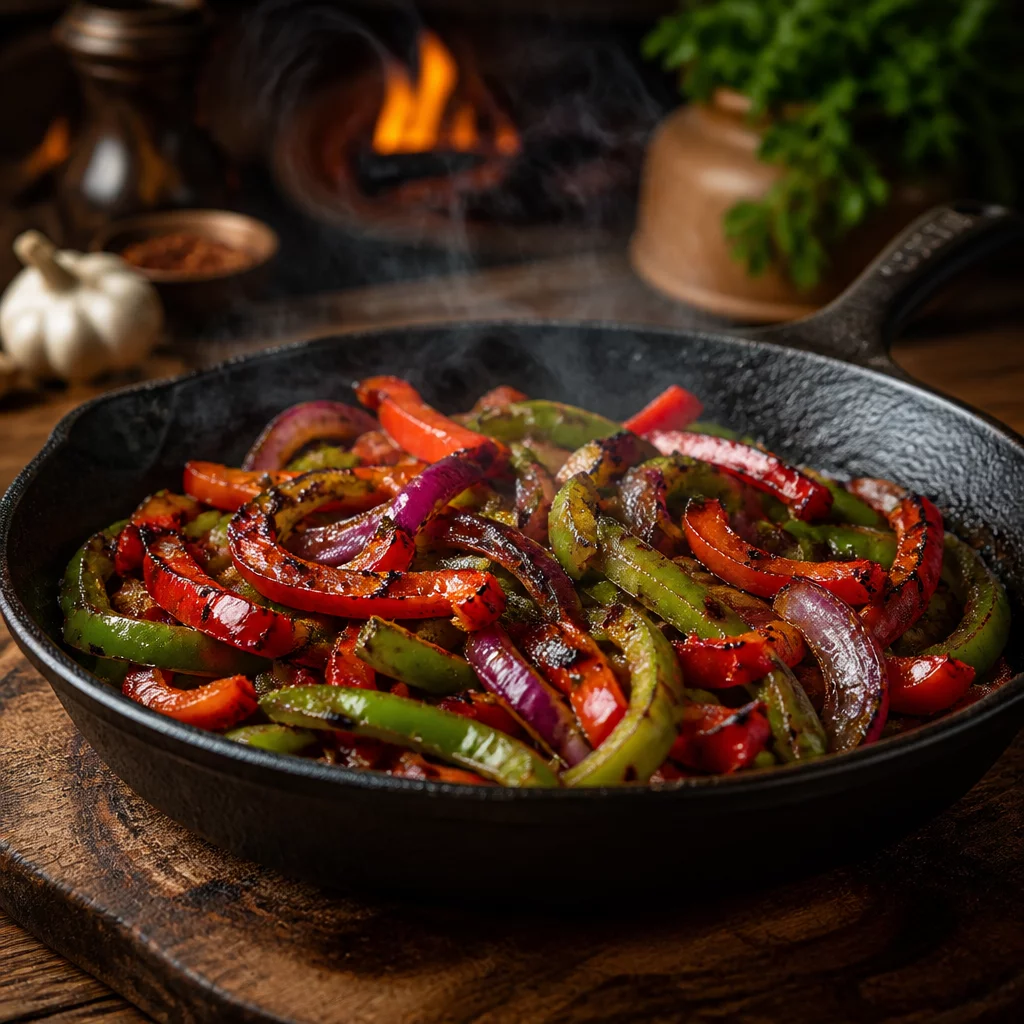
Roasted vegetables, particularly the classic combination of bell peppers and red onions, serve as a critical textural anchor in custom bowl building. By applying high heat to these ingredients, we transform their raw, sharp properties into a complex blend of caramelized sweetness and smoky bitterness. This process creates a structural foundation that bridge the gap between heavy starches and vibrant, acidic toppings.
Understanding how roasted vegetables integrate with other bowl elements is key to achieving consistent profiles without overpowering the delicate rice or protein notes.
The strategic deployment of roasted vegetables within building meals requires a comprehensive understanding of their thermal transition. We examine the physical structure of bell peppers to identify how roasting collapses their fiber while intensifying their natural sugars. Without this careful consideration, a bowl can lack the "middle notes" of flavor that connect the heavy base to the high-acid salsas.
"A balance must exist. Where charred edges introduce a sophisticated bitterness, the soft interiors must provide enough sweetness to unify the protein and grain layers."
When selecting these vegetables, consistency plays an important role. Below is our typical classification guide for this selection:
Casey specializes in tracking the chemical transitions of roasted ingredients and their impact on consumer preference in fast-casual environments.