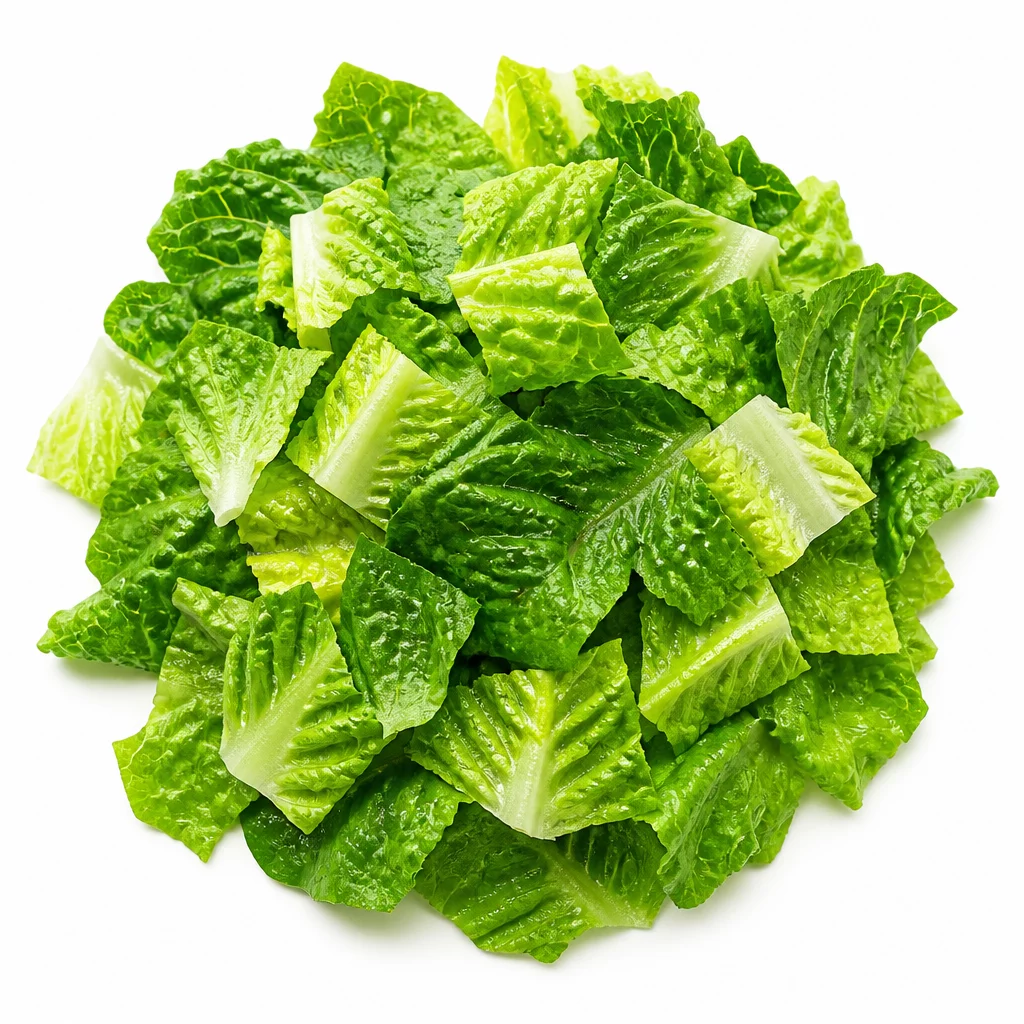
Leafy greens serve as the architectural foundation of a well-balanced bowl, providing the volume and crispness necessary to offset dense proteins and warm grains. Whether opting for the rigid structure of romaine or the nutrient-dense profile of kale, these greens act as a vital cooling element that maintains the meal's integrity and prevents textural fatigue.
Greens act as a textural buffer, absorbing oils from proteins while offering a clean, neutral finish to each forkful.
The strategic deployment of leafy greens within meal construction requires a deep understanding of their natural hydration properties. In professional bowl building, greens are not merely a garnish; they act as a thermal barrier between hot grain bases and cold vegetable toppings. Without them, the steam from the rice would prematurely soften the fresh salsa, leading to a loss of distinct flavor boundaries.
"A successful bowl relies on the green barrier. It creates the necessary space for individual flavors to coexist without merging into a singular, undifferentiated mash."
When selecting greens, look for bright colors and rigid stems. We classify these essentials into three distinct categories for easier decision-making:
Specializes in textural profile tracking and balance methodology, documenting optimal combinations for modern casual dining environments.