

Evaluating Meal Choice Tradeoffs
An analytical framework for weighing preparation time, financial investment, and sensory satisfaction to optimize daily eating decisions.
Interactive Side-by-Side Explorer
Select any two culinary scenarios to evaluate the immediate tradeoffs. Notice how time saved in preparation often offsets financial costs or alters sensory satisfaction scores.
Requires careful prep and cooking, but offers optimal flavor complexity and balanced nourishment profiles.
Highly convenient with almost zero prep. Rich in savory spices, but higher on direct food budget expenditure.
Tradeoff Summary
Comparing Home-Prepped Salmon & Rice with The Fast-Casual Chicken Bowl highlights the classic tradeoff of Time vs. Capital. Cooking at home saves roughly 35% in expenses but requires 20 additional minutes of active preparation time.
Common Decision Scenarios
Filter by primary tradeoff or search specific meal components.
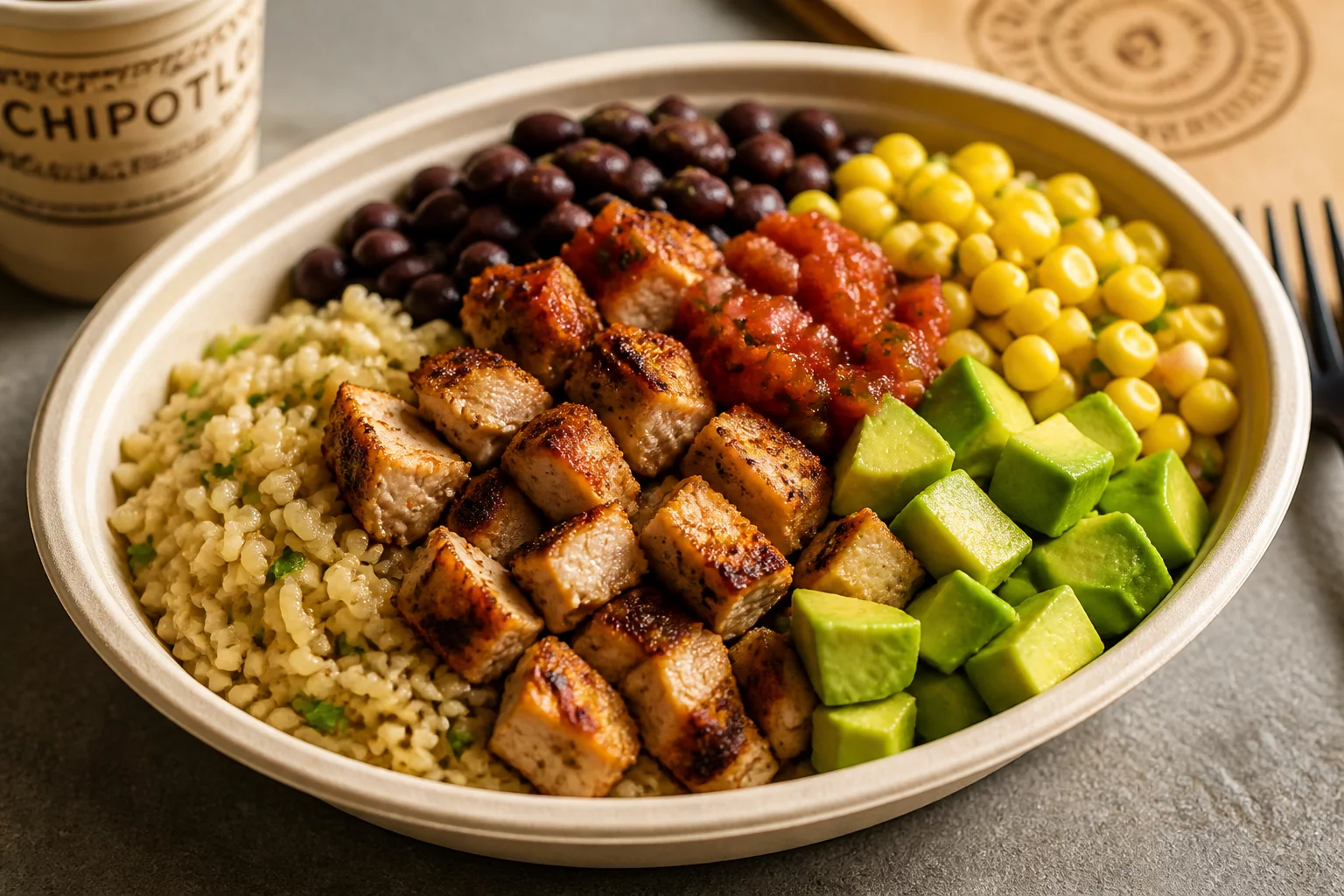
The Fast-Casual Chicken Bowl
A highly customizable staple that balances savory elements, offering quick procurement with minimal downtime.
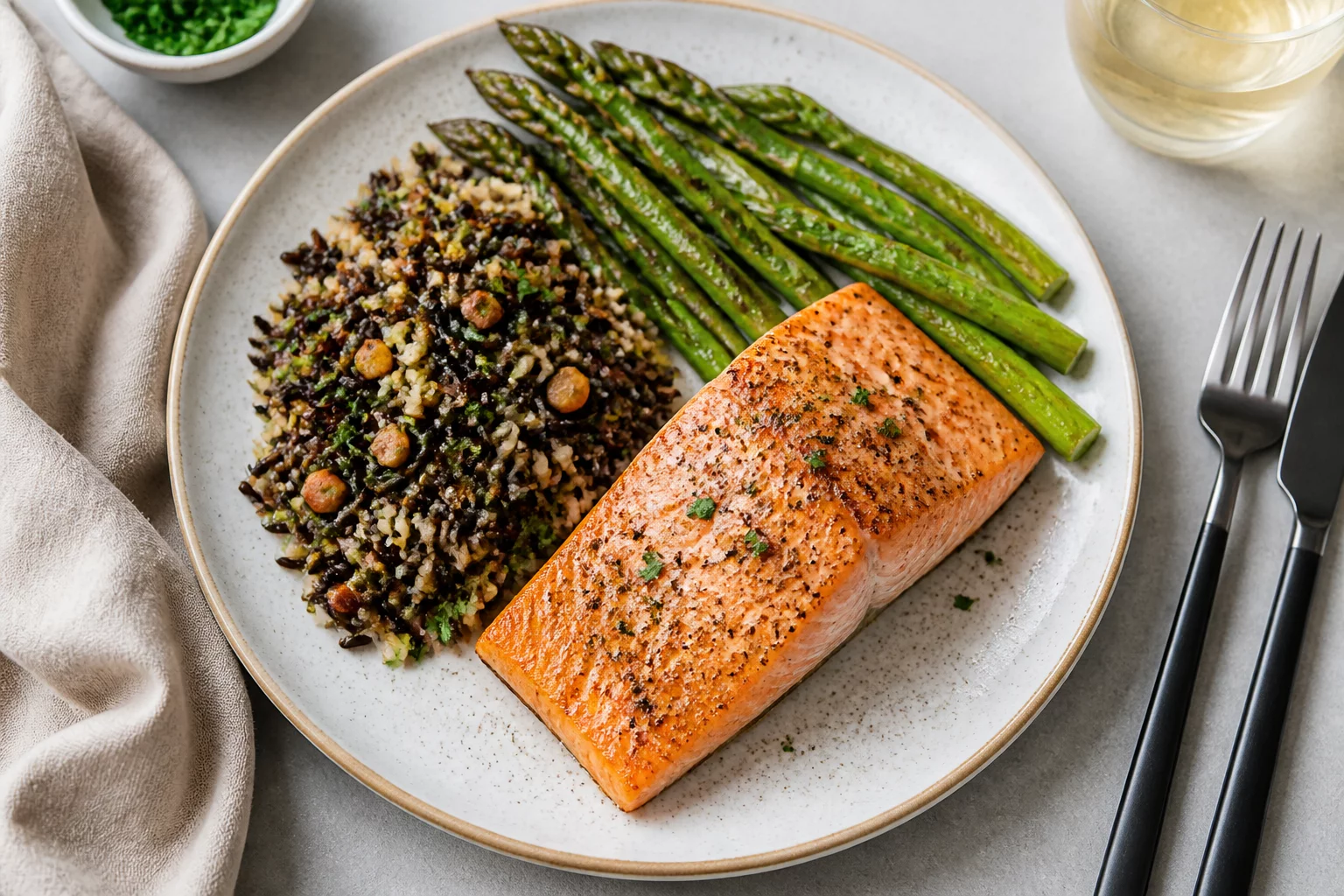
Home-Prepped Salmon & Rice
Slowly baked fish paired with complex grains. Excellent sensory profile and sustained energy storage.
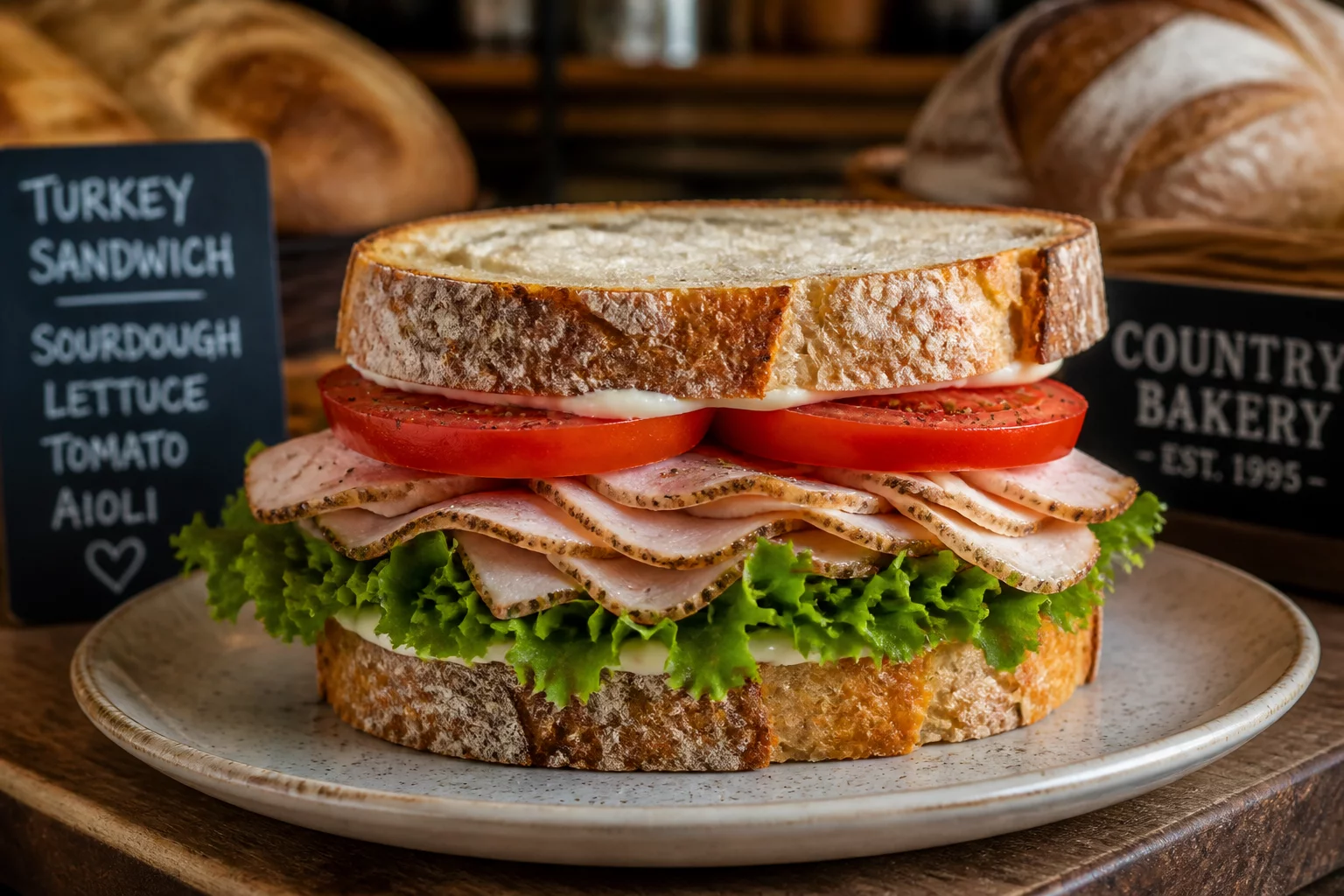
Artisan Bakery Sandwich
Quick to pick up or build. Provides moderate satiety with elevated sodium levels but high taste comfort.
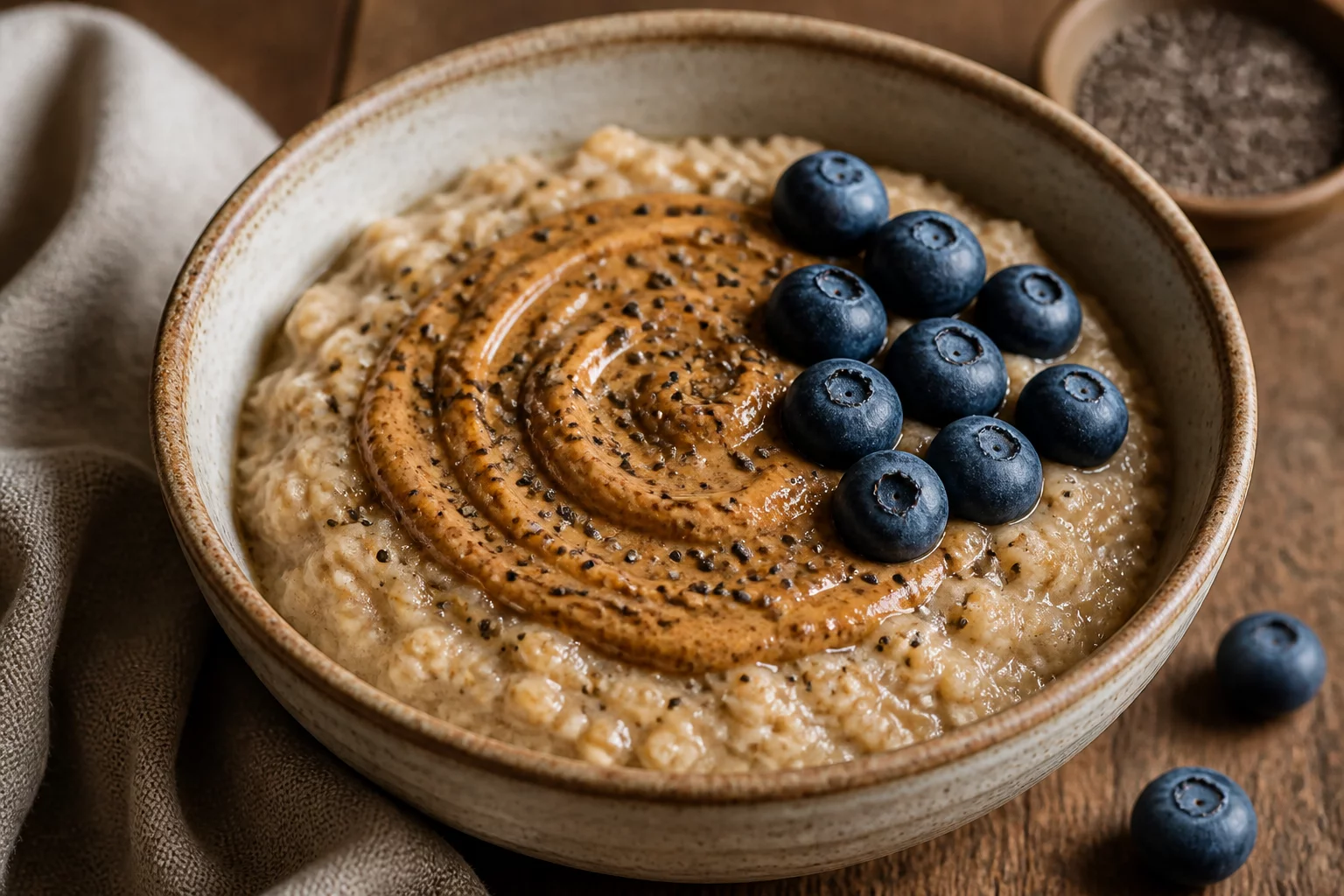
Quick Oats & Nut Butter
Extremely cost-effective, high fiber texture, ready in minutes. Ideal choice for rapid preparation.
No scenarios match your search query or filter selection.
Decision Framework
When comparing meals, we utilize a four-axis matrix. This ensures your immediate sensory preferences align with practical limits of time, cost, and personal fuel sustainability.
Temporal Cost
Active preparation, cleanup, and procurement duration.
Financial Margin
Direct ingredient cost vs restaurant markups and delivery fees.
OriginSatiety Curve
How long the fuel profile sustains physical energy levels.
The Formula of Eating Tradeoffs
Every choice represents an exchange. Purchasing a pre-made meal saves 30 minutes of labor at the cost of a 200% price premium. Conversely, bulk preparation saves money and time later, but introduces sensory fatigue from repetitive textures.
To make optimal decisions, evaluate your daily threshold:
- Is your current schedule demanding rapid delivery over budget preservation?
- Do you prefer dynamic texture contrasts (e.g., fresh crunchy greens paired with warm grains)?
- Will this specific selection cause a sharp energy decline in two hours?
Repeat Decision Fatigue
Making identical meal selections daily leads to sensory adaptation, which lowers satiety satisfaction over time.
Learn MorePortion Preference Audit
Tailoring meal size to actual energy requirements prevents excess consumption and reduces ingredient waste.
Explore Portions