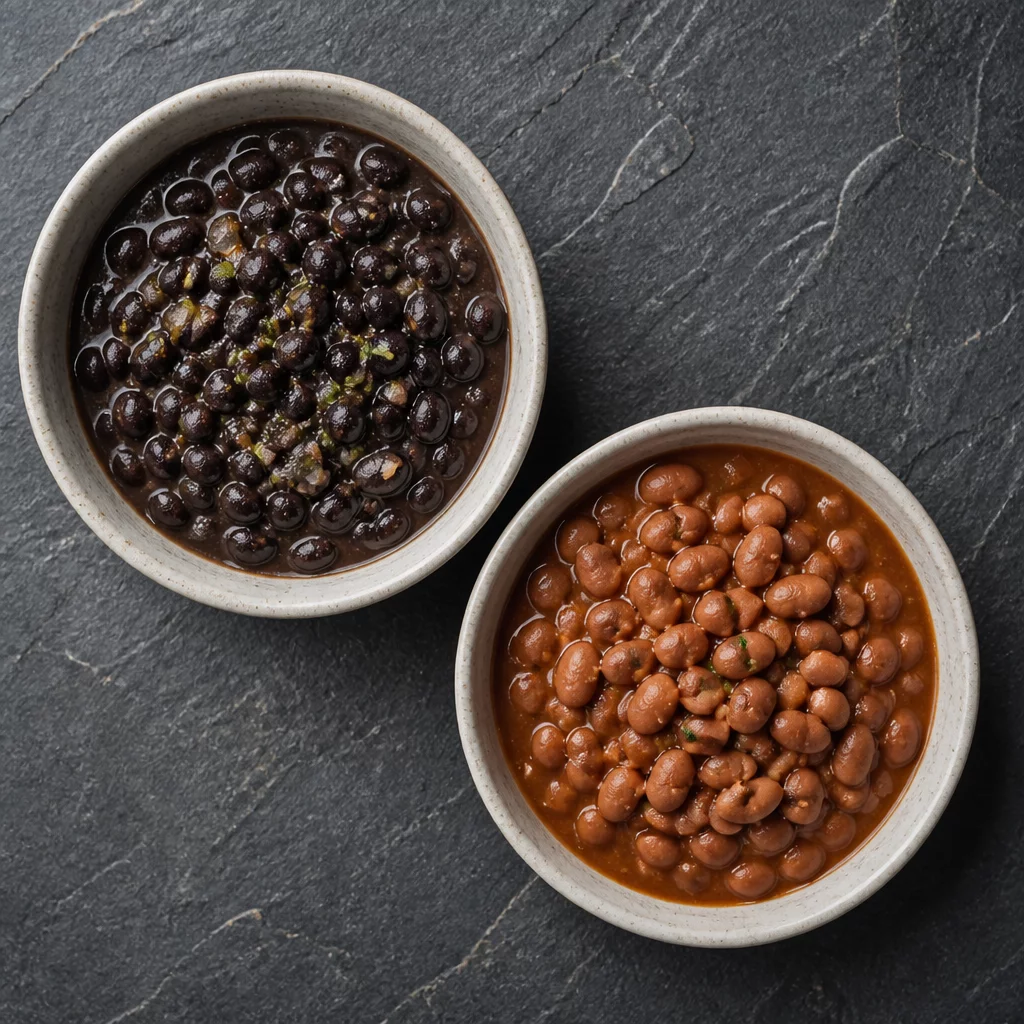
Beans serve as the structural and protein-dense heart of many custom bowls, providing a necessary bridge between grains and fresh toppings. Whether you prefer the earthy firmness of black beans or the creamy richness of pinto varieties, understanding their moisture content and texture profile is essential for preventing a soggy base while maintaining flavor integrity.
Understanding how these varieties integrate with other bowl elements is key to achieving consistent profiles without overpowering the subtle flavors of your base grains.
The strategic deployment of bean textures within custom meals requires a comprehensive understanding of their liquid levels. We examine these physical structures to identify how they impact neighboring toppings, especially leafy greens that might wilt under excess heat or moisture. Choosing a bean isn't just about the flavor; it's about engineering the friction of the fork as it passes through the layers.
"A balance must exist. Where dry grains like white rice absorb excess bean broth, fresh salsas must provide the acidity to cut through the heavy starch content."
When selecting your base, consistency plays a defining role. Below is our typical classification guide for evaluating these choices in a field environment:
Taylor focuses on the chemical and textural foundations of plant-based proteins, tracking how grain-legume ratios impact diner satisfaction.