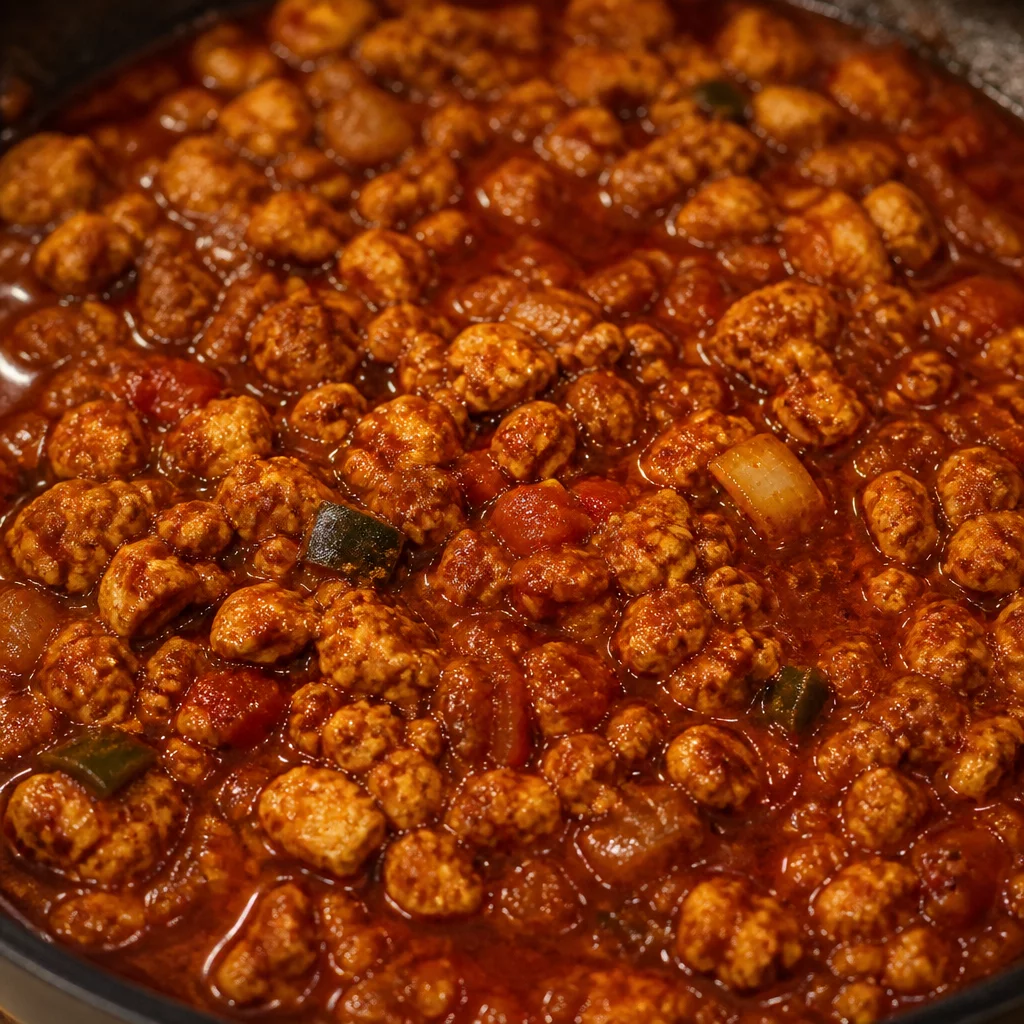
Plant-based alternatives, particularly spiced tofu crumbles, function as a versatile foundation in modern meal construction. These components are designed to provide a savory, slightly smoky depth that mirrors traditional braised proteins while offering a unique crumbly texture that absorbs surrounding sauces and citrus accents. Understanding their role helps in balancing the overall moisture levels and flavor density of a bowl.
The plant-based protein acts as a bridge between the earthy grains and the bright, acidic salsas. Its high surface area allows for superior spice distribution.
Deploying plant-based alternatives in a meal bowl requires more than just replacing meat; it demands an understanding of how moisture behaves between layers. A braised plant-based protein, like seasoned tofu, carries significant liquid that can migrate into the rice or beans beneath it. This isn't necessarily a negative, as it can infuse the base with flavor, but it does mean that your selection of cold toppings should favor crispness over further moisture to avoid a monolithic texture.
"The success of a plant-based bowl hinges on the contrast between the tender, seasoned core and the sharp, fresh garnishes that define the meal's edges."
We classify these alternatives based on how they interact with typical bowl construction. The density of the spice blend in these options usually negates the need for heavy dressings, allowing for lighter citrus-based accents instead. Here is how we categorize their impact:
Specializes in documenting modern ingredient substitutions and their impact on physical meal dynamics and long-term storage quality.