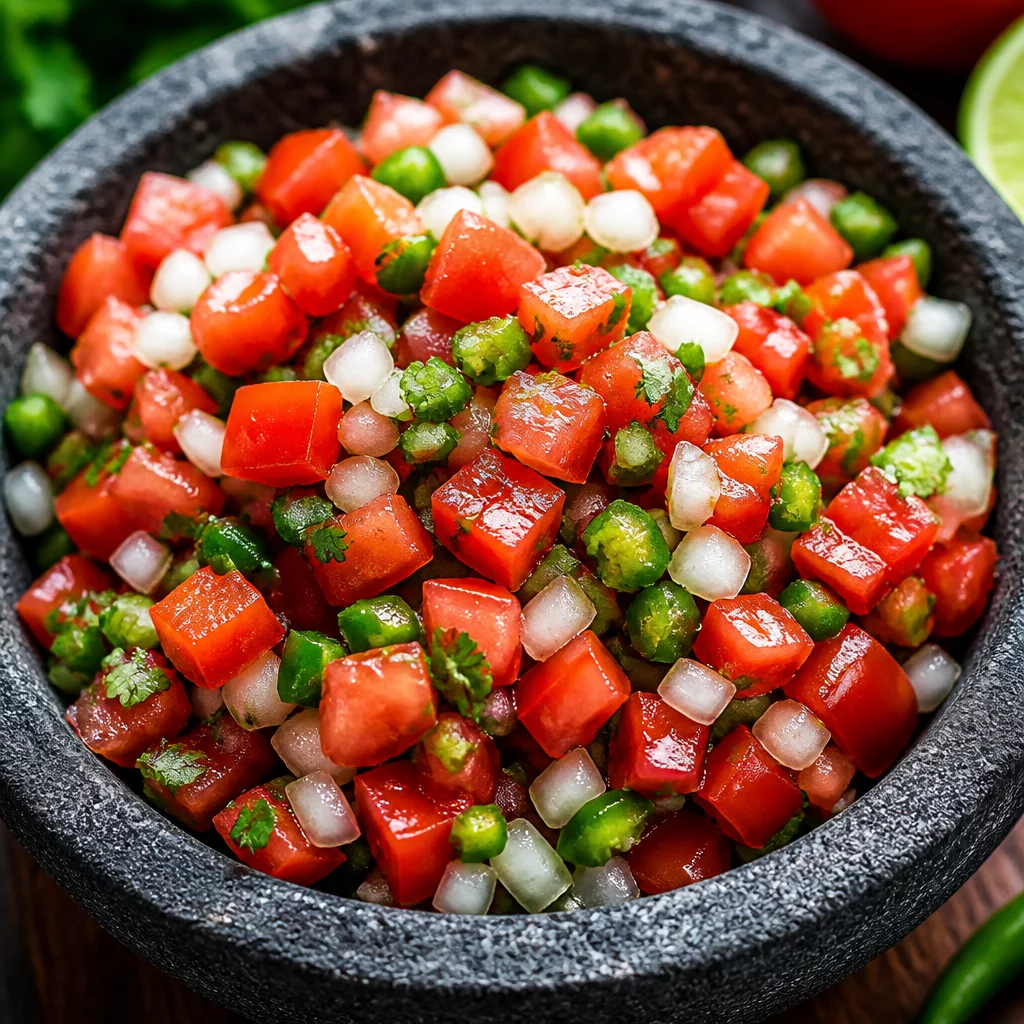
Fresh salsas serve as the vibrant heartbeat of a well-composed bowl. Unlike heavy sauces, these raw or lightly roasted mixtures provide essential acidity and moisture without compromising the structural integrity of your base. By balancing sharp citrus, heat, and crunchy aromatics, fresh salsas act as a natural dressing that unifies grains, proteins, and vegetables into a cohesive dining experience.
Fresh salsas, especially the raw pico de gallo style, act as the primary moisture-regulator in a grain-based bowl. They provide the necessary fluid to bind dry components like rice without turning them into a saturated mush.
When you build a bowl, you are essentially creating a small ecosystem of flavors. Fresh salsas act as the catalyst that makes these elements talk to each other. A grain bowl without an acidic salsa feels heavy and one-dimensional, regardless of how well the meat is seasoned. It is the citrus and raw aromatics in the salsa that wake up the palate and allow you to taste the nuances of the beans and rice.
"A salsa is not just a topping; it is a structural element. It provides the liquid necessary for a unified bite without the heaviness of a dairy-based sauce."
We typically categorize fresh salsas by their physical impact on the meal. Each one offers a specific trade-off between heat, moisture, and crunch. Understanding these distinctions allows you to customize your meal for the specific dining occasion, whether you want a light, refreshing lunch or a hearty, comforting dinner.
Specializes in textural profile tracking and balance methodology, documenting optimal combinations for modern casual dining environments.