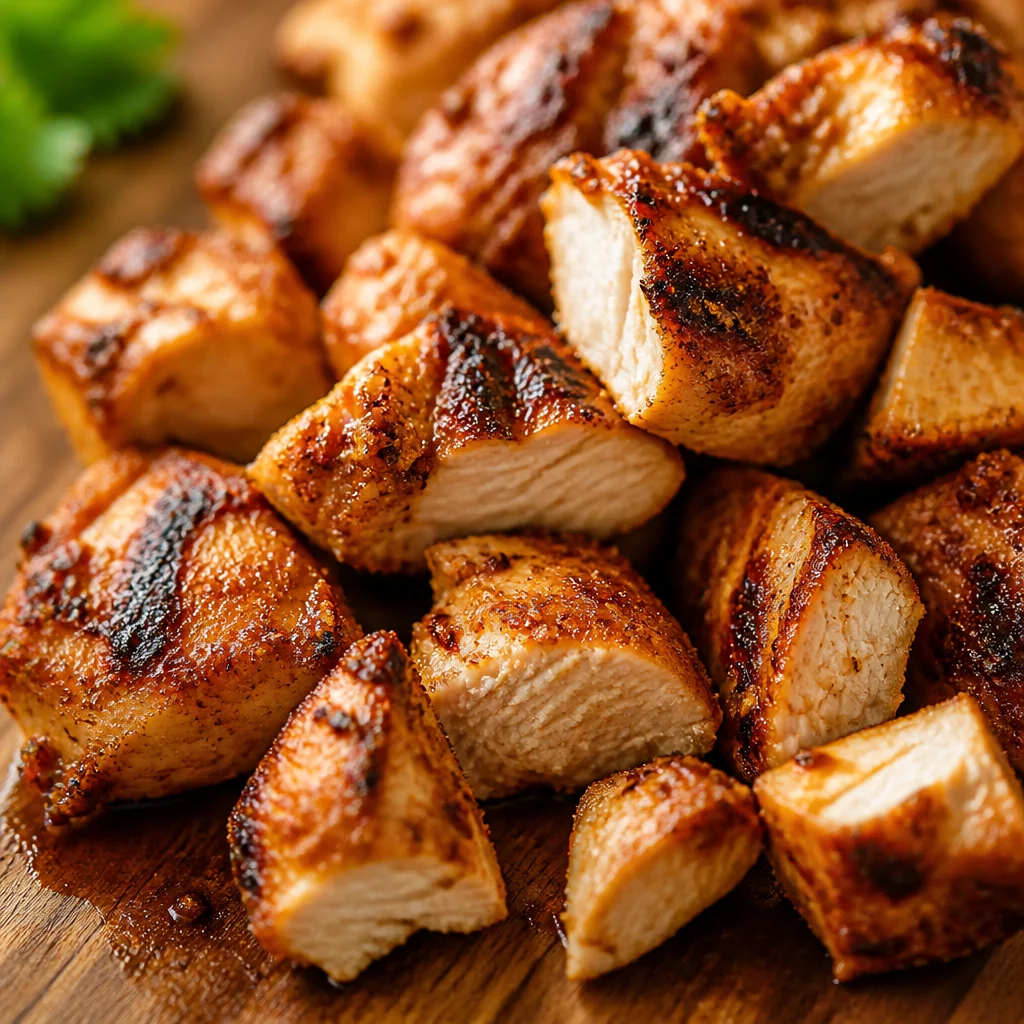
Grilled proteins act as the heavy lifters of any bowl, providing the essential structure, savory depth, and physical foundation of the meal. A perfect sear creates a charred crust that interacts beautifully with salsas, while the interior remains tender to prevent the base rice from feeling monolithic or dry. Understanding how these proteins hold heat and resist moisture allows you to build a more balanced, satisfying, and multi-dimensional dining experience.
The protein layer is where the primary flavor profile is anchored. Grilling introduces smoky notes that serve as a bridge between the earthy beans and the bright, acidic salsas.
The strategic deployment of proteins within bowl construction requires a holistic view of the meal's architecture. Grilled chicken or steak provides the necessary weight that prevents the bowl from feeling like a simple salad. We specifically look at how the dicing size interacts with rice grains; if the protein is too large, the bite becomes cumbersome; if too small, it loses its identity amidst the other toppings.
"A balance must be struck. The protein shouldn't just be an addition; it must be the axis upon which all other flavors—the acid of the lime, the heat of the chili, and the coolness of the cream—rotate."
When selecting your protein, consistency is paramount. We've identified three core classifications for these ingredients:
Specializes in textural profile tracking and balance methodology, documenting optimal combinations for modern casual dining environments.