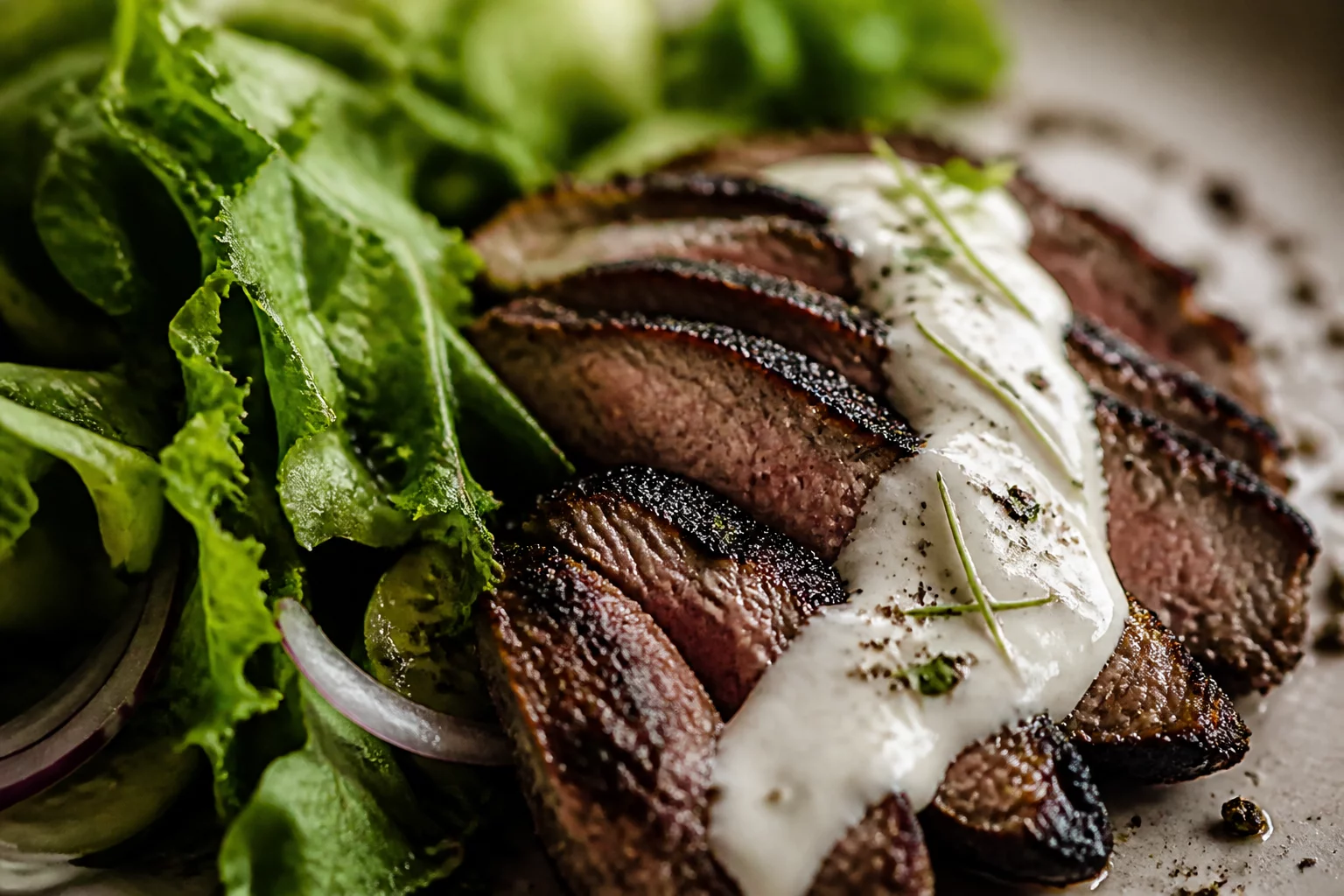
Achieving texture harmony is the fundamental difference between a functional meal and a truly satisfying culinary experience. It requires a deliberate arrangement of contrasting sensations—where the sharp snap of fresh greens meets the velvety slide of ripe avocado, all supported by a grain base that maintains its structural integrity. This guide explores the mechanics of how these physical sensations interact, providing a framework for diners who want to master the art of the perfect, balanced bite.
Understanding how individual ingredients contribute to the total physical volume is key to preventing a bowl from becoming a monolithic mash.
In the world of meal building, texture is the silent partner of flavor. It dictates how long an ingredient stays on the palate and how quickly the flavor profile is released. When we talk about harmony, we are really talking about timing. A crunchy element provides an immediate sensory hit, while a soft grain releases its flavor slowly as it breaks down. If every element has the same texture, the brain stops paying attention, and the meal feels incomplete regardless of the seasoning.
"Harmony is achieved not when everything is the same, but when the distinct physical properties of each ingredient are preserved until the very moment of consumption."
To avoid the common pitfall of the "soggy bowl," consider the placement of your moisture sources. Dressings and salsas should ideally sit between a resistant protein and a fibrous green, rather than directly on top of porous grains. This keeps the rice or quinoa fluffy for longer, maintaining that essential textural separation that makes each bite feel fresh and distinct.
Effective texture layering typically follows a three-stage logic:
Sam focuses on the intersection of sensory physics and casual dining, specializing in how ingredient structures affect long-term meal satisfaction.