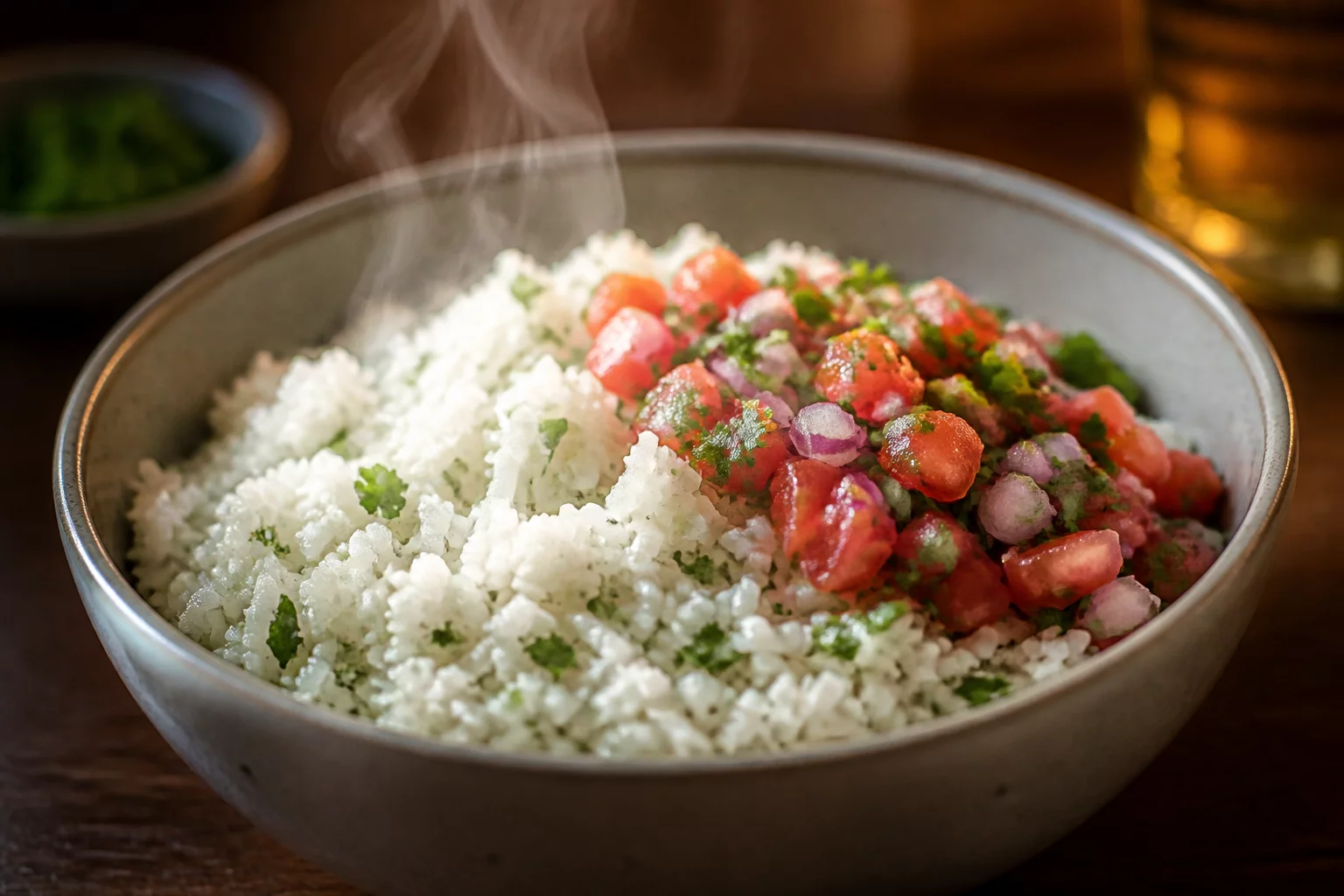
Temperature dynamics define the sensory experience of a modern bowl. By intentionally pairing steaming proteins and grains with chilled, crisp salsas and vegetables, you create a thermal gradient that stimulates the palate and prevents bite fatigue. This guide explores the logic behind heat retention and the cooling effects of fresh garnishes.
Strategic temperature placement ensures that the heat from the base does not prematurely wilt the fresh elements, maintaining a distinct separation between hot and cold.
The primary appeal of a well-constructed bowl lies in the deliberate tension between its ingredients. When a fork captures a piece of piping-hot grilled chicken alongside a spoonful of chilled pico de gallo, the nervous system receives two distinct signals simultaneously. This thermal bridge keeps the dining experience active, as each bite feels fresh and intentional rather than merging into a lukewarm mass.
"The most satisfying meals are those that refuse to settle into a single temperature. The contrast between the steam and the chill is where the flavor truly lives."
In our field studies, we have identified three essential thermal layers that define a successful build:
Over time, every bowl will naturally drift toward room temperature. However, the sequence of placement significantly delays this process. By utilizing a "shield layer"—such as a generous portion of beans—between the hot rice and the cold toppings, you can preserve the temperature dynamics for the duration of the meal. This vertical insulation is the secret to a bowl that tastes as good on the last bite as it did on the first.
Morgan specializes in the thermodynamics of fast-casual dining, exploring how ingredient temperatures affect consumer satisfaction and repeat choice patterns.