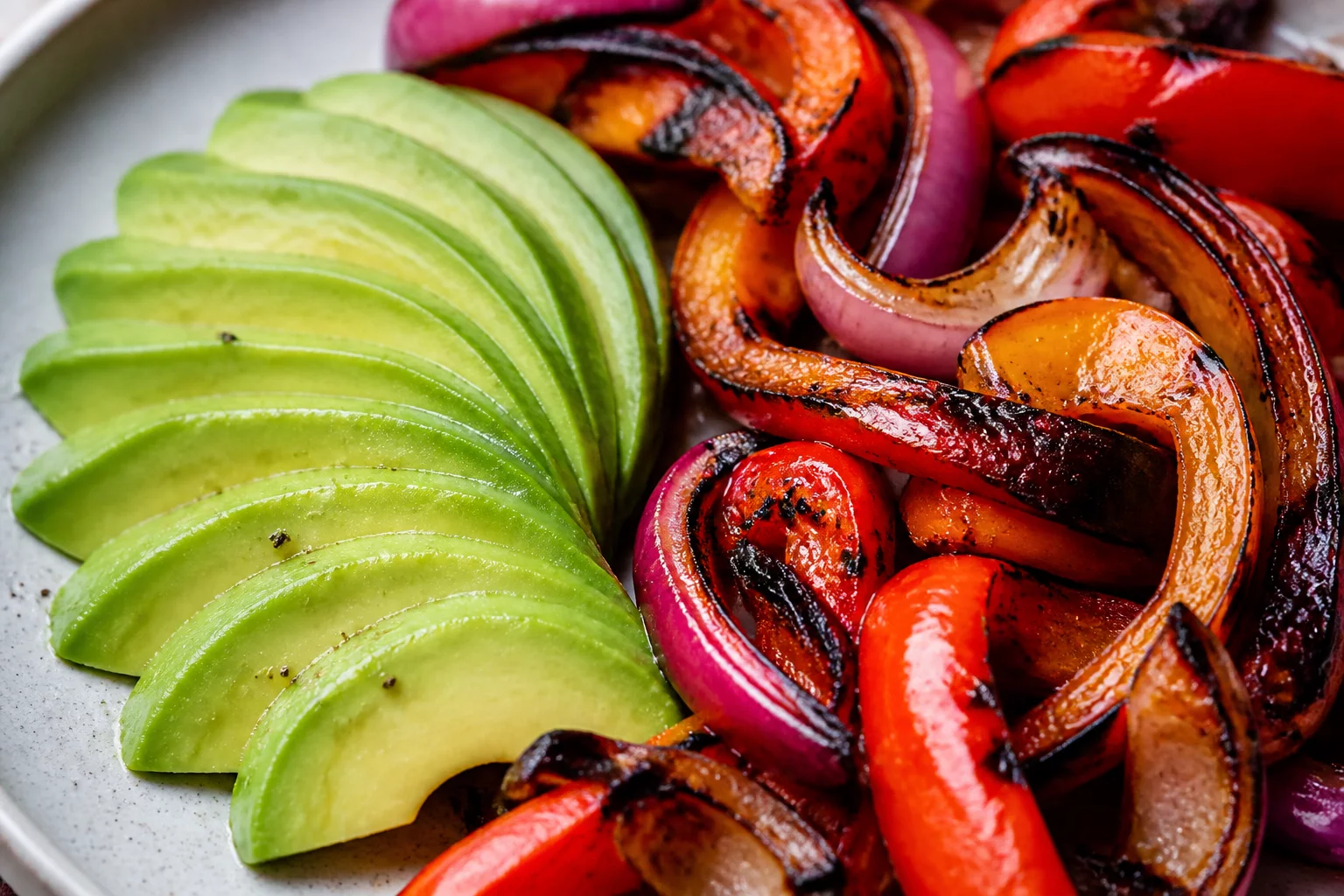
Building a satisfying meal bowl involves more than selecting flavors; it requires balancing high-fat richness with sharp, structural contrast. Ingredients like avocado and sour cream provide a velvet-like anchor that coats the palate, while roasted peppers and crisp greens offer the necessary friction to prevent the bite from feeling heavy or one-dimensional.
Richness serves as the carrier for spices, allowing heat to linger without burning the palate. It provides the "weight" of the meal.
Successful bowl construction hinges on the strategic deployment of fats. While flavor is often the primary focus, the way a meal feels in the mouth determines the lasting impression. It acts as a cohesive force, binding independent ingredients into a unified profile. When richness is absent, a bowl feels like a collection of separate items; when it dominates, it masks the delicate nuances of fresh herbs and light grains.
"A perfect bite requires a moment of resistance followed by a smooth release. This transition from crunch to creaminess is what defines high-quality meal architecture."
We analyze three distinct levels of contrast that interact with rich components within the bowl environment:
When selecting soft, rich bases like refried beans or heavy sauces, their viscosity must be considered relative to the other toppings. If the base is too fluid, it will saturate the vegetables, turning them soft. If it is too dense, it won't distribute evenly across the fork. It is often best to place these rich elements at the bottom or the side to allow for controlled mixing during the eating process.
Taylor focuses on the science of sensory satiety, exploring how physical ingredient structures impact diner satisfaction and repeat behavior.