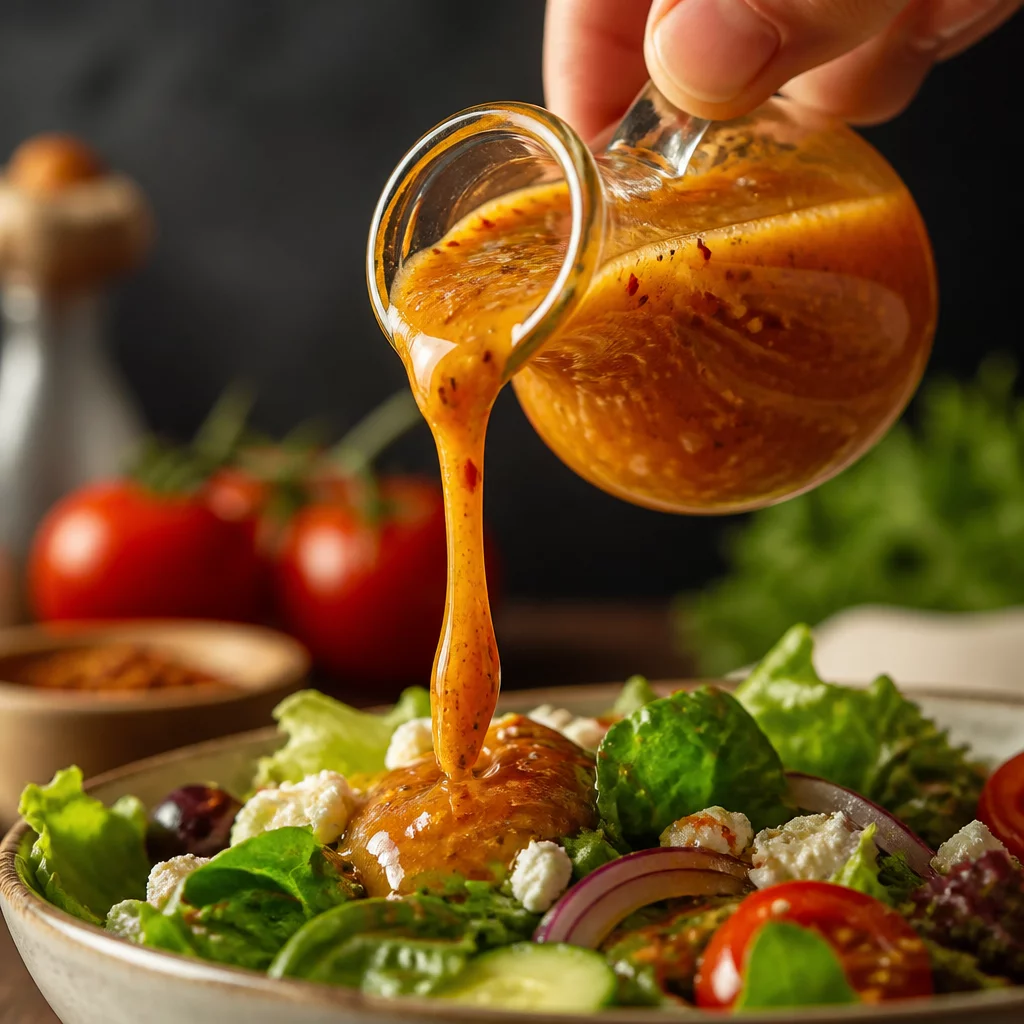
Spiced dressings are the architectural backbone of a well-balanced meal bowl, acting as the primary vehicle for heat and moisture. By emulsifying fats with acidic bases and ground chilies, these dressings transform a collection of isolated ingredients into a cohesive, flavorful experience that prevents palate fatigue.
Understanding how spiced dressings integrate with other bowl elements is key to achieving consistent profiles without overpowering the subtle flavors of fresh produce.
Spiced dressings act as the culinary glue in bowl construction, bridging the gap between heavy proteins and light leafy greens. They introduce controlled moisture and heat, ensuring that dry ingredients remain palatable without becoming saturated. Unlike dry seasonings, liquid dressings distribute heat evenly, coating individual grains and fibers to create a uniform flavor experience.
"A balance must exist. Where dry components absorb excess liquid, the dressing must provide enough binding moisture to support unified ingestion without compromising structural integrity."
When selecting ingredients, consistency plays an important role. Below is our typical classification guide for this selection:
Specializes in textural profile tracking and balance methodology, documenting optimal combinations for modern casual dining environments.